
If you are trying to improve your skin texture, fade pigmentation or get that healthy, glowing look, you have probably seen two treatments mentioned everywhere. Chemical peels and microneedling in London. Both are popular. Both work well. And both promise smoother, brighter skin. But which one is better? And more importantly, which one is better for your skin?
If you feel confused, you are not alone. Many people search for answers before choosing between these two treatments. This guide breaks everything down clearly so you know exactly what to expect, what each treatment does and how to pick the right option for your skin goals.
What is a chemical peel?
A chemical peel is a skin resurfacing treatment that uses an exfoliating solution to remove dead skin cells and stimulate new cell turnover. The solution is applied to the skin for a few minutes. During this time, it gently dissolves the bonds that hold dead skin cells together.
When the old layer sheds, the skin underneath looks fresher and more radiant. Depending on the depth of the peel, it can also target pigmentation, acne, fine lines and uneven tone.
Chemical peels in London come in three general types:
• Light peels. These use mild acids like lactic or mandelic acid for a gentle glow.
• Medium peels. These often use glycolic or salicylic acid for deeper exfoliation.
• Deep peels. These are medical grade and used for strong pigmentation or advanced ageing.
Most clients choose light to medium peels because they deliver great results without long downtime.
What does microneedling do?
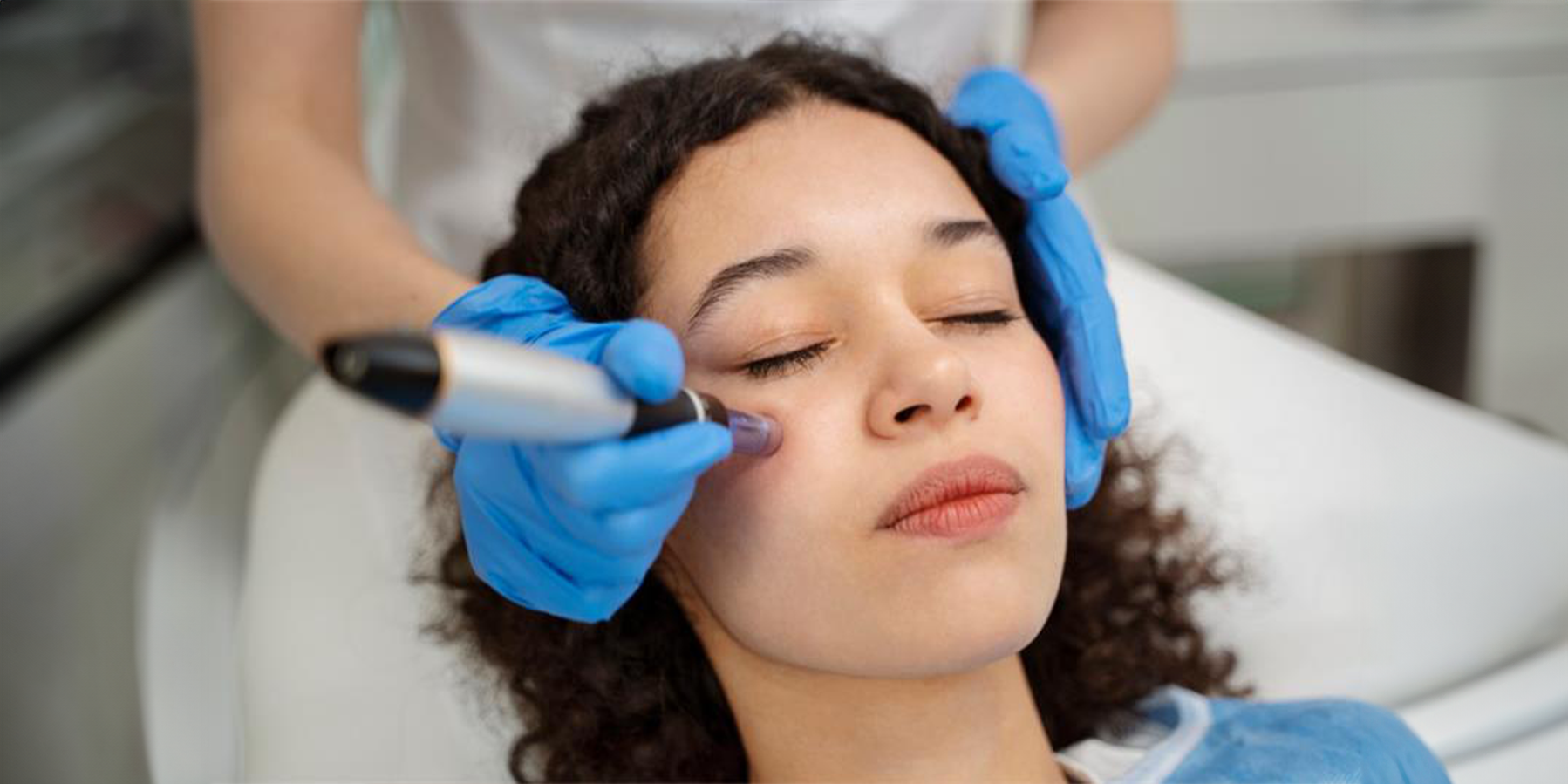
Microneedling is a collagen stimulating treatment. It uses a handheld device with tiny needles that create micro channels in the skin. These micro channels trigger your skin’s natural healing response which boosts collagen and elastin production.
Collagen is your skin’s support structure. When collagen levels increase, the skin becomes firmer, smoother and more even. This makes microneedling ideal for concerns like acne scarring, enlarged pores, fine lines and dull texture.
It is sometimes combined with serums or growth factors to enhance absorption and boost results.
Chemical peels vs microneedling. What is the main difference?
The core difference is the mechanism.
Chemical peels exfoliate the top layers of skin.
Microneedling works deeper by stimulating collagen from within.
Because of this, the results and benefits slightly differ.
Chemical peels: Best for surface concerns
• Brightening dull skin
• Pigmentation and sun damage
• Mild acne
• Blackheads and congestion
• Uneven texture
• Fine lines on the top layer of skin
Microneedling: Best for deeper issues
• Acne scars
• Fine lines and wrinkles
• Skin laxity
• Large pores
• Overall texture improvement
• Collagen restoration
Both treatments are great, but they target different layers and concerns.
Which treatment gives faster results?
Chemical peels often show results more quickly. You will usually notice brighter, smoother skin within a few days. After the peeling phase, the glow becomes even more visible.
Microneedling takes a bit longer because collagen rebuilding is a gradual process. Clients usually see initial results in two to three weeks with continued improvement over several months.
If you want a fast, visible boost for an event or occasion, a peel might be the quicker choice. If you want long term skin improvement and collagen repair, microneedling may be better.
Which treatment lasts longer?
Microneedling in London tends to offer longer-lasting results because it improves collagen structure. Chemical peels are amazing for maintenance and brightening but do not rebuild skin in the same way.
Most clients choose peels for regular upkeep and microneedling for deeper rejuvenation. Using both strategically can give outstanding results.
What about downtime?
Both treatments have mild downtime but in different ways.
Chemical peel downtime
• Mild redness
• Light flaking or peeling
• Tightness
• Shedding for 2 to 5 days
• Some sensitivity to products and sunlight
Microneedling downtime
• Redness similar to a sunburn
• Slight swelling
• Skin may feel dry or tight
• Makeup should be avoided for 24 hours
• Redness usually reduces within 24 to 48 hours
Microneedling downtime is often shorter, but chemical peeling involves visible shedding which some clients prefer to schedule around their plans.
Which treatment is better for acne?
This depends on the type of acne.
Chemical peels, especially salicylic acid peels, work well for oily, congested skin and active breakouts. They help clear pores, reduce blackheads and calm mild to moderate acne.
Microneedling in London is better suited to acne scars rather than active acne. It helps smooth the texture after breakouts have healed.
If you are dealing with both breakouts and scarring, a combination of both treatments spread across a few months often gives the best results.
Which treatment is better for ageing skin?
If you want to target fine lines, wrinkles or laxity, microneedling in London is generally more effective because it boosts collagen. It treats the deeper layers where ageing begins.
Chemical peels can help brighten and soften early lines but they do not remodel the skin in the same way.
Clients often start with microneedling for firming and then maintain results with regular gentle peels throughout the year.
Which is more comfortable?
Both treatments are manageable.
Chemical peels create a tingling or warm sensation that lasts a few minutes. Microneedling is usually performed with numbing cream so the treatment feels more like vibration or light prickling.
Most clients tolerate both well. If you have very sensitive skin, chemical peels can be adjusted to a lower strength. Microneedling depth can also be customised.
Which treatment is more affordable?
In most clinics, light and medium chemical peels cost less per session than microneedling. However, the total investment depends on your goals.
A few microneedling sessions may give longer lasting results, while peels may require more regular visits for maintenance. Both can be tailored to your budget and expectations.
Can you combine the two?
Absolutely. In fact, many skin specialists use a combination approach to get the best of both worlds. You might begin with microneedling to rebuild collagen, then switch to gentle peels every month for radiance and clarity.
The treatments should not be done too close together. Your practitioner will create a schedule that supports skin healing while maximising results.
How to choose the right treatment for your skin
Here are some simple guidelines:
Choose chemical peels in London if:
• Your main concerns are pigmentation, dullness or uneven tone
• You want quick results
• You prefer minimal discomfort
• You need a treatment before an event
• You want a cost-friendly option
Choose microneedling in London if:
• You want deeper rejuvenation
• You have acne scarring
• You want firmer, tighter skin
• You are looking for collagen boosting treatments
• You want results that build over time
A consultation will always give you the most accurate recommendation. Your skin type, tone, history and goals make a big difference in choosing the right option.
Final thoughts
Both chemical peels and microneedling in London are excellent treatments. They just work in different ways and offer different strengths. Chemical peels brighten and even the surface of the skin while microneedling strengthens and rebuilds from within.
If you are unsure which treatment is best for you, speaking to a qualified practitioner from Finchley Cosmetic Salon in London can help you understand what your skin truly needs. Many clients find that a personalised plan that includes both treatments over time gives the most impressive transformation.
Healthy, glowing skin is always the goal. Choosing the right treatment is simply the first step.