
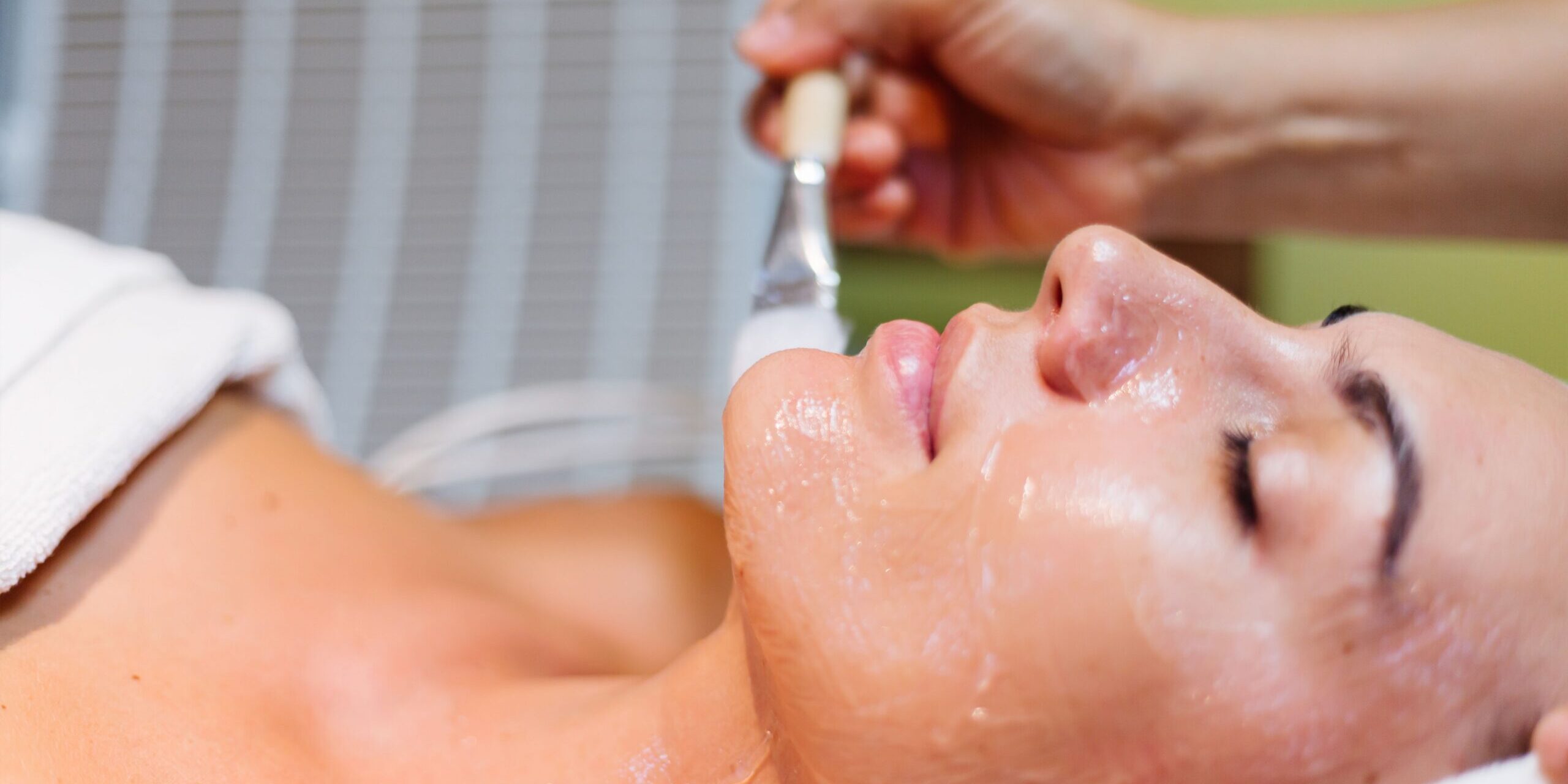
If you have sensitive skin, it is normal to feel cautious about professional treatments. Even small changes in skincare can sometimes trigger redness, tightness, or irritation, so the idea of a chemical peel can feel daunting. Many people with sensitive skin worry that a peel will be too harsh or will make their skin problems worse rather than better.
In reality, chemical peels in London are not one-size-fits-all treatments. When chosen carefully and applied correctly, they can be safe for sensitive skin and, in some cases, very beneficial. The key lies in understanding how peels work, what sensitive skin actually needs, and which types of peels are most appropriate.
One treatment that is often recommended for people with delicate or reactive skin is the Obagi Blue Peel Radiance. It is designed to refresh the skin gently while keeping irritation to a minimum. This article looks at whether chemical peels are suitable for sensitive skin and explains why some professional peels can be a good option when used properly.
What Sensitive Skin Really Means
Sensitive skin is not a medical diagnosis. It is a way of describing skin that reacts more easily than expected. This can show up in different ways, including redness, stinging, itching, dryness, or a feeling of tightness after using certain products or being exposed to heat, cold, or pollution.
There are many reasons why skin becomes sensitive. Some people are naturally more prone to it, while others develop sensitivity over time due to over-exfoliation, a damaged skin barrier, environmental stress, or underlying conditions such as rosacea or eczema. Using too many active ingredients at once can also leave the skin more reactive.
Having sensitive skin does not mean your skin is unhealthy or fragile. In many cases, it simply needs more support and a gentler approach. Treatments that respect the skin barrier and work gradually tend to be much better tolerated.
How Chemical Peels Work
A chemical peel uses carefully selected acids or enzymes to exfoliate the skin. Instead of relying on physical friction, the peel works by loosening the bonds between dead skin cells so they can be shed more evenly. This encourages fresh, new skin cells to come to the surface.
Chemical peels in London can help with concerns such as uneven texture, dullness, mild pigmentation, congestion, and early signs of ageing. They can also improve how well skincare products absorb, as dead skin buildup is reduced.
The idea that chemical peels are designed to burn or damage the skin is outdated. Modern professional peels are formulated to work at specific depths and for specific skin concerns. For sensitive skin, superficial peels that focus on the outermost layer of skin are usually the safest choice.
Are Chemical Peels Safe for Sensitive Skin?
Chemical peels in London can be safe for sensitive skin when they are properly chosen and professionally applied. Problems usually occur when a peel is too strong, when the skin barrier is already compromised, or when peels are used too often without allowing the skin time to recover.
At-home peels and unregulated products can also be risky, especially for reactive skin. These products often lack professional guidance and may be used incorrectly, increasing the chance of irritation or long-term sensitivity.
In a clinical setting, peels can be adjusted to suit individual skin needs. This includes selecting the right acids, using lower concentrations, controlling contact time, and closely monitoring how the skin responds during treatment.
Why Gentle Peels Are Better for Sensitive Skin
Sensitive skin responds best to treatments that work slowly and predictably. Aggressive peels that penetrate deeply into the skin are more likely to cause prolonged redness, discomfort, or pigmentation issues.
Superficial peels focus on refreshing the skin rather than resurfacing it. They support cell turnover without overwhelming the skin barrier. Over time, this can actually help improve the skin’s tolerance and overall condition.
One example of a peel designed with this approach in mind is the Obagi Blue Peel Radiance. It is developed by Obagi Medical, a brand known for its clinical research and focus on skin health.
What Is the Obagi Blue Peel Radiance?
The Obagi Blue Peel Radiance is a superficial chemical peel designed to improve skin clarity, texture, and brightness with minimal downtime. It combines a blend of acids that exfoliate gently while supporting overall skin balance.
This peel is often chosen for people who want visible results but are concerned about irritation, extended peeling, or recovery time. It is also suitable for a wide range of skin tones and types when applied by a trained professional.
Because it works on the surface of the skin, it is commonly recommended for those who are new to chemical peels or who have sensitive or reactive skin.
Why Obagi Blue Peel Radiance Can Suit Sensitive Skin
Several features make this peel particularly appropriate for sensitive skin when used correctly.
The formulation includes a balanced combination of exfoliating acids, which allows the skin to renew itself without excessive disruption. The treatment time is relatively short, reducing the chance of irritation, and the peel does not penetrate deeply into the skin.
Many people experience only mild redness after treatment, which usually settles within a day or two. Peeling is often minimal or not noticeable at all. This makes it easier to return to normal activities without discomfort or visible downtime.
Benefits for Sensitive Skin
For people with sensitive skin, the benefits of a gentle chemical peel are often more about improving overall skin quality rather than dramatic resurfacing.
Regular treatments can help smooth uneven texture and reduce dullness by removing dead skin cells that can make the skin look tired. Gentle exfoliation can also help keep pores clear without stripping the skin of moisture.
Over time, some people find that their skin becomes more resilient. By supporting healthy cell turnover and improving hydration retention, the skin barrier may function more effectively, which can reduce ongoing sensitivity.
What the Chemical Peel Treatment in London Feels Like
A professionally applied superficial peel should not be painful. During treatment, you may notice a light tingling or a warm sensation. This is normal and usually fades quickly.
Strong burning or discomfort is not expected, especially for peels designed for sensitive skin. A practitioner should always monitor how your skin responds and adjust the treatment if needed.
After the peel, the skin may feel slightly tight or appear mildly flushed. These effects are temporary and typically settle within a short period.
The Importance of Proper Consultation
For sensitive skin, consultation is one of the most important parts of the process. A thorough assessment helps determine whether a chemical peel is appropriate and which type will be best suited to your skin.
This usually includes discussing your skin history, current routine, past reactions, and any underlying conditions. It also allows time to talk through expectations and aftercare requirements.
In some cases, skin preparation may be recommended before starting peels. This can involve using gentle, barrier-supporting products to help the skin tolerate treatment more comfortably.
Can Chemical Peels Improve Skin Sensitivity Over Time?
When used carefully, chemical peels can support long-term skin health. By encouraging consistent but gentle exfoliation, they can help reduce the buildup of dead skin cells that trap irritants and contribute to inflammation.
Improved skin renewal and hydration can strengthen the skin barrier, which plays a key role in how sensitive the skin feels day to day. Many people notice that their skin becomes calmer and more balanced with ongoing professional care.
This improvement does not happen overnight. Sensitive skin benefits most from gradual progress rather than quick fixes.
Aftercare and Sensitive Skin
Aftercare is especially important for sensitive skin following a chemical peel. The skin needs time to recover and rebuild its protective barrier.
Gentle cleansing, avoiding active ingredients for a few days, and using a nourishing moisturiser are essential steps. Daily sun protection is also crucial, as freshly exfoliated skin is more vulnerable to sun damage and pigmentation.
Heat, intense exercise, and steam should be avoided in the immediate period after treatment, as these can increase redness and irritation.
Common Misunderstandings about Chemical Peel Treatment in London
Many people believe that sensitive skin should avoid chemical peels entirely. In reality, uncontrolled exfoliation at home often causes more problems than professional treatments tailored to the skin.
Another misconception is that tingling always means damage. Mild sensations during a peel are normal. What matters is that they are short-lived and well managed.
Sensitive skin still needs exfoliation. The difference is how it is done and how often.
How Often Should Sensitive Skin Have a Peel?
Most people with sensitive skin benefit from spacing treatments further apart. A common recommendation is every four to six weeks, although this varies depending on the individual and the type of peel used.
Each session should be reassessed based on how the skin responded to the previous treatment. A flexible approach helps protect the skin and maintain long-term results.
When Chemical Peels in London May Not Be Suitable
There are times when chemical peels should be postponed or avoided. Active infections, open wounds, severe flare-ups of skin conditions, or recent sunburn can all increase the risk of irritation.
Certain medications and medical conditions may also affect suitability. This is why professional guidance is essential, particularly for those with sensitive skin.
Final Thoughts
Sensitive skin requires care, patience, and the right treatments. Chemical peels do not have to be off-limits. When chosen carefully, they can support healthier, smoother, and more balanced skin without causing unnecessary irritation.
Gentle options such as the Obagi Blue Peel Radiance offer a way to refresh the skin while respecting its limits. With professional assessment and proper aftercare, sensitive skin can respond well and even become more resilient over time.
If you are considering a chemical peel and want advice tailored to sensitive skin, a consultation at Finchley Cosmetic Salon in North London can help determine whether the Obagi Blue Peel Radiance is the right choice for you and your skin goals.