
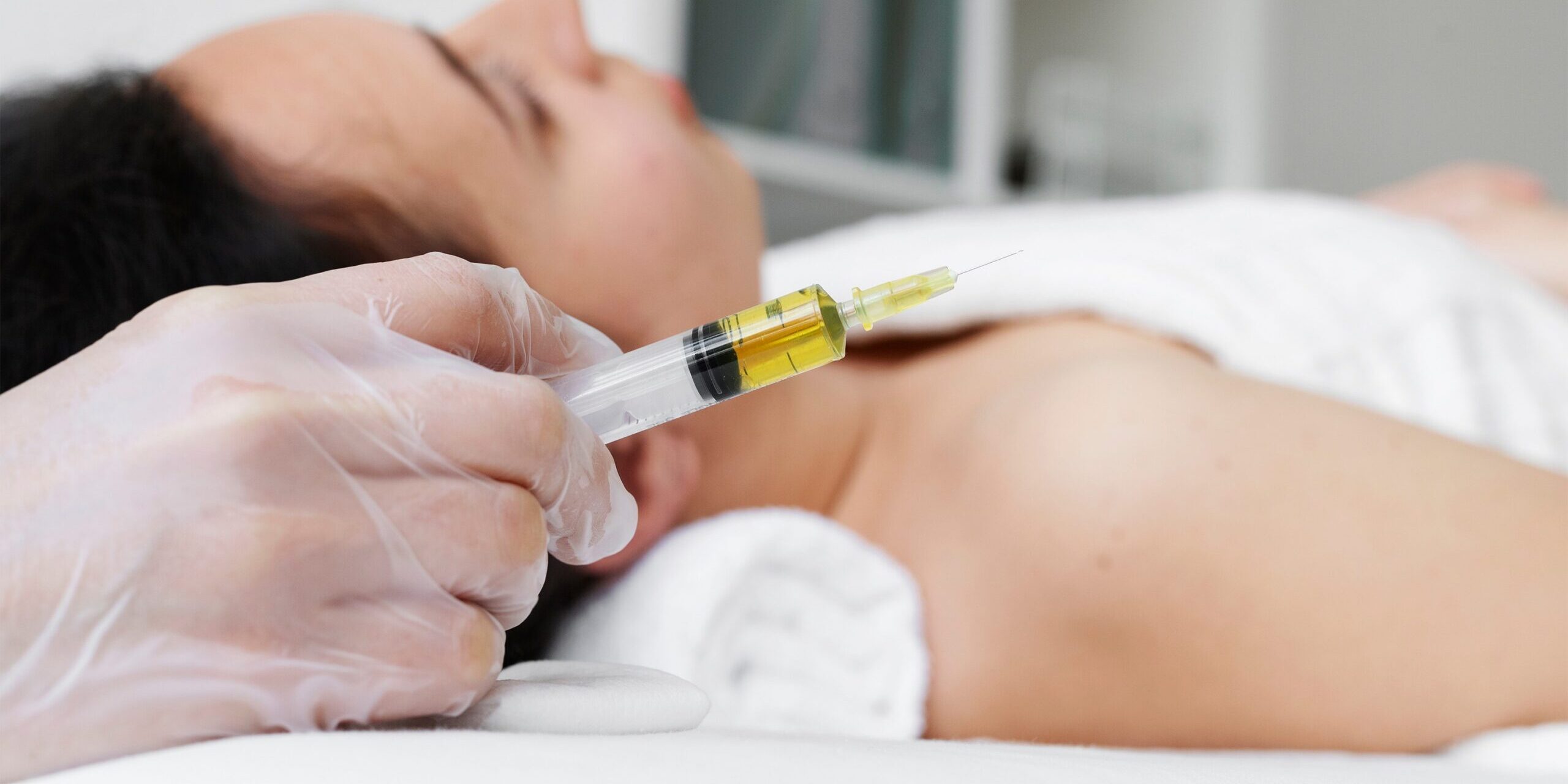
Vaginal health isn’t something most people talk about openly, even though it affects a huge number of women at different stages of life. Childbirth, hormonal changes, and the natural ageing process can all bring about physical changes that affect comfort, confidence, and intimacy. In recent years, a treatment called PRP Vaginal Rejuvenation in London has become one of the most talked-about options for women looking to address these changes without surgery. If you’ve heard the term but aren’t quite sure what it involves, this guide will walk you through it all.
What Is PRP Vaginal Rejuvenation?
PRP stands for Platelet Rich Plasma. It’s a substance derived from your own blood, and it’s been used in medicine for years to help wounds heal faster and tissue regenerate. More recently, it’s been adapted for use in aesthetics, including facial rejuvenation, hair restoration, and now, intimate wellness.
PRP Vaginal Rejuvenation, sometimes called the “Intimate PRP Treatment,” involves injecting this plasma into specific areas of the vagina, including sensitive areas often referred to using the term “G-spot.” Because the plasma comes from your own blood, the treatment carries a low risk of allergic reaction or rejection, which is one of the reasons it’s gained popularity as a non-surgical option.
The idea behind the treatment is that platelets contain growth factors, which are natural substances that encourage tissue repair and regeneration. When concentrated and reintroduced into the body, these growth factors can help stimulate collagen production, improve blood flow, and encourage healthier, more responsive tissue in the treated area.
Why Do Women Consider This Treatment?
There are several reasons a woman might explore vaginal rejuvenation treatments, and they tend to fall into a few broad categories.
Childbirth is one of the most common reasons. Vaginal delivery can stretch and sometimes damage tissue in ways that don’t always fully resolve on their own, even with time and pelvic floor exercises. Some women experience ongoing changes in sensation, tightness, or appearance long after giving birth.
Ageing and hormonal shifts, particularly around menopause, are another major factor. As oestrogen levels decline, vaginal tissue can become thinner, drier, and less elastic. This can lead to discomfort, reduced sensitivity, and in some cases, symptoms like stress incontinence.
Sexual wellbeing is also a significant motivator. Many women seek out PRP treatment because they’ve noticed a decline in arousal, sensation, or the ability to reach orgasm, and they’re looking for a way to restore that part of their life without invasive surgery.
It’s worth saying clearly: none of these concerns are unusual, and there’s nothing to feel embarrassed about. These are simply common physical realities that a lot of women experience but don’t always feel comfortable discussing, even with close friends or partners.
Who Is a Good Candidate?
PRP Vaginal Rejuvenation in London tends to be suitable for adult women who are experiencing vaginal dryness, reduced sensitivity, mild stress incontinence, or general dissatisfaction with sexual function, and who are looking for a non-surgical way to address these issues. It’s generally not the right starting point for more serious pelvic floor conditions or gynaecological issues, which is why a proper consultation before treatment is so important.
A good clinic will always begin with a one-to-one consultation with a qualified medical professional. This is your opportunity to talk through your concerns, ask questions, and find out whether PRP is genuinely the right option for your situation, or whether something else, such as a hyaluronic acid based filler, might be more appropriate. Some clinics also offer alternative or complementary treatments, such as hydrating fillers for the labia minora and clitoral area, which can be used alongside or instead of PRP depending on individual needs.
If you have any underlying medical conditions, are pregnant, or have concerns about blood disorders, it’s essential to disclose this during your consultation, as these factors could affect your suitability for the procedure.
What Actually Happens During Treatment?
Understanding the process can make the idea of treatment feel much less daunting. Here’s a general idea of what to expect, step by step:
- Consultation first. Before any treatment takes place, you’ll meet with a medical professional who will assess your suitability, discuss your goals, and answer any questions or concerns you might have. This step should never be rushed.
- Numbing the area. On the day of treatment, a local anaesthetic cream is applied to help minimise discomfort during the procedure itself.
- Drawing your blood. A small blood sample is taken from your arm, in exactly the same way as a routine blood test.
- Processing the plasma. The blood is placed into a centrifuge, a machine that spins at high speed to separate the plasma and concentrate the platelets, isolating the Platelet Rich Plasma from the rest of the blood.
- Injecting the PRP. Using a fine needle, the concentrated plasma is injected into targeted areas, which may include the internal vaginal wall and clitoral area, depending on your specific concerns.
The whole process is typically done in a single appointment, and because it uses your own blood, there’s no need for a lengthy recovery period associated with foreign substances or implants.
What Results Can You Expect?
Results vary from person to person, and it’s important to have realistic expectations going in. Many women report improvements in sensitivity, arousal, and the frequency or intensity of orgasms after a course of treatments, since PRP typically works best when done as a series rather than a single session. Some women also notice improvements in vaginal appearance and comfort, particularly if their concerns were related to volume loss or thinning tissue.
Because the treatment relies on your body’s own healing and regenerative response, results tend to build gradually rather than appearing instantly. Downtime is generally minimal, though some mild bruising or tenderness in the treated area is possible and usually settles within a few days.
Is It Safe?
One of the main appeals of PRP treatment is that it uses your own biological material, which significantly reduces the risk of allergic reaction compared to treatments using synthetic fillers. That said, as with any medical procedure, safety depends heavily on where you have it done. It’s important to choose a clinic with properly qualified, medically trained practitioners who can assess your suitability, explain the risks clearly, and carry out the procedure using appropriate sterile technique.
Final Thoughts
PRP Vaginal Rejuvenation in London is part of a growing category of treatments aimed at helping women feel more comfortable, confident, and connected to their bodies, particularly after major life events like childbirth or the hormonal changes that come with ageing. It’s not a treatment to rush into, but for the right candidate, guided by a proper consultation and performed by qualified professionals, it can offer a meaningful, non-surgical way to address concerns that are far more common than most conversations would suggest.
If you’re considering this treatment, the most important first step is simply booking a consultation to talk through your specific concerns and find out whether it’s the right fit for you.