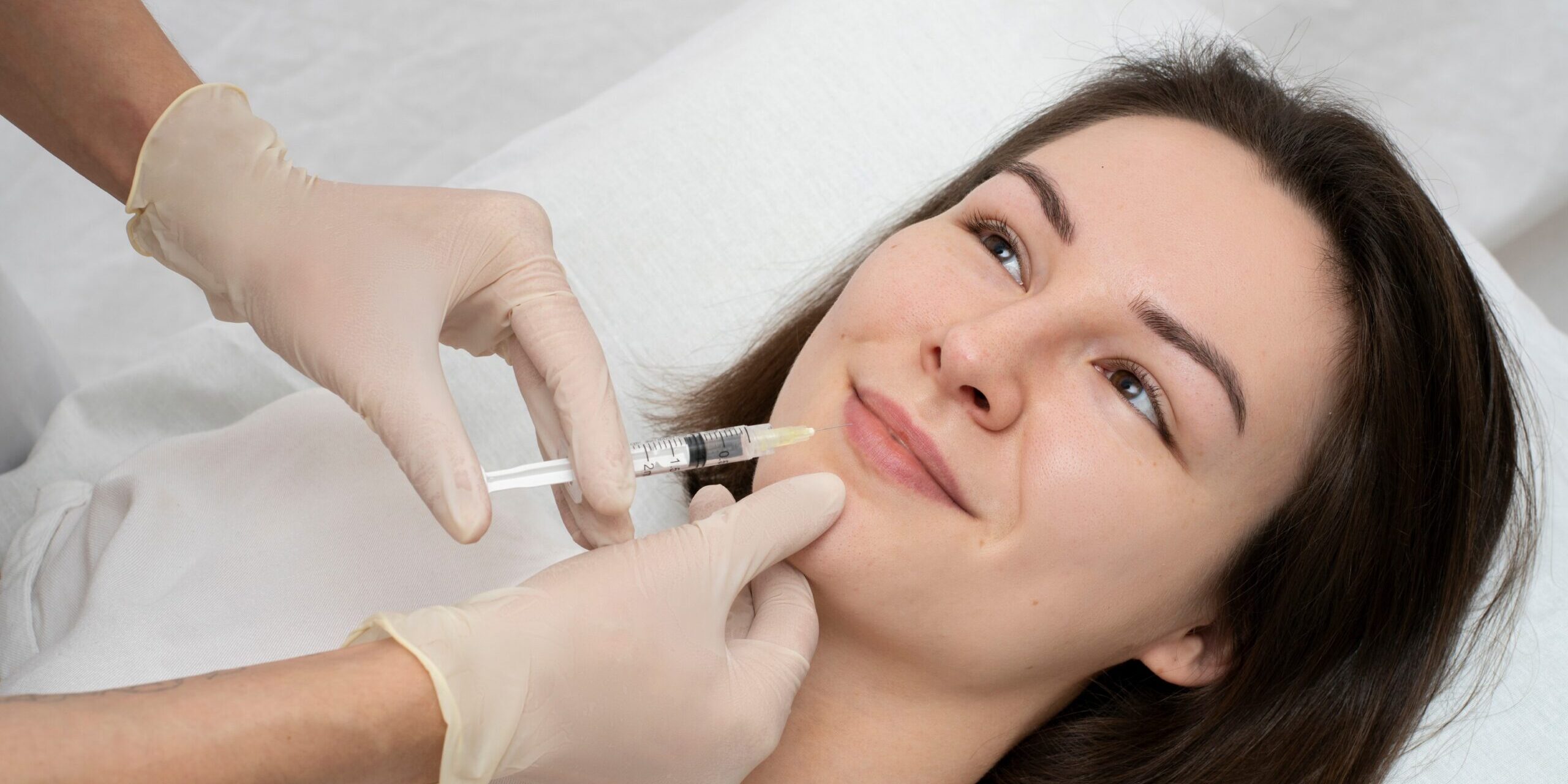
Lip filler is one of the most popular treatments in aesthetics today, and London has no shortage of clinics offering it. That’s part of the problem. With so many options across the city, from high street beauty bars to medical clinics, it can be hard to tell which ones are actually safe and which ones are cutting corners.
Choosing where to get your lips done matters just as much as choosing to get them done at all. The treatment itself is minimally invasive, but it still involves a needle, a dermal filler product, and real anatomy underneath your lips including blood vessels that, if injected incorrectly, can cause serious complications. A good practitioner manages that risk. An undertrained one may not even know it exists.
Here’s what to actually look for when choosing a lip filler clinic in London, and the questions worth asking before you book.
Check who is actually doing the injecting
This is the single most important factor, and it’s the one people skip most often. In the UK, dermal fillers are not classed as a medical device that only doctors and nurses can inject. Legally, almost anyone can offer filler treatments, regardless of their medical background. That’s exactly why the qualifications of the person holding the needle matter so much.
Look for practitioners who are registered healthcare professionals, such as:
- Doctors registered with the General Medical Council (GMC)
- Nurses registered with the Nursing and Midwifery Council (NMC)
- Dentists registered with the General Dental Council (GDC)
These professionals have medical training in anatomy, they understand how to manage complications if something goes wrong, and they’re accountable to a professional regulatory body. If a treatment goes badly, you have somewhere to turn.
You can also check whether a clinic or practitioner is listed on voluntary registers such as the Joint Council for Cosmetic Practitioners (JCCP) or Save Face, both of which vet practitioners against set training and safety standards before accepting them. A clinic that’s proud of its practitioners’ credentials will usually display them openly. If you can’t find this information anywhere, ask directly.
Ask about their training, not just their experience
“Experienced” is a word that gets used loosely in aesthetics marketing. What you actually want to know is where and how someone trained, and whether that training was accredited.
Reasonable questions to ask before booking include:
- What formal training have you completed in dermal filler injection?
- How many years have you been practising, and how many lip filler treatments do you carry out regularly?
- Are you insured specifically for this treatment?
- What products do you use, and are they CE marked or UKCA marked?
A confident, safety-led practitioner won’t be put off by these questions. If a clinic seems evasive or annoyed that you’re asking, take that as useful information in itself.
Make sure the products are genuine and traceable
Dermal fillers used in the UK should be CE marked (or UKCA marked, as the UK transitions its own marking system) and sourced from a legitimate, traceable supply chain. Counterfeit and unlicensed fillers do circulate, particularly at clinics offering treatments priced far below the market rate, and they carry much higher risks because their contents and sterility can’t be guaranteed.
A reputable clinic will be happy to tell you which brand of filler they use and show you the packaging on the day of treatment. If a price seems too good to be true for London, especially well below what registered practitioners typically charge, it’s worth asking why.
A proper consultation should never be optional
Safe lip filler treatment starts before the needle ever comes out. A thorough consultation should cover your medical history, any allergies, medications you’re taking, and previous filler treatments. Your practitioner should also talk you through the treatment plan, the specific product being used, expected results, possible side effects, and what aftercare will look like.
If a clinic tries to book you straight in for treatment on the same day without any real conversation first, or pressures you to add extra volume “while you’re here,” that’s a sign the priority is turnover rather than your safety. A good clinic will sometimes tell you that less is more, or that you don’t need what you’ve asked for. That’s a reassuring sign, not a disappointing one.
Know the red flags
A few warning signs are worth watching for when researching clinics in London:
- Prices dramatically lower than the local average
- No visible qualifications, registrations, or insurance information
- Treatments offered from someone’s home, a hotel room, or a pop-up event with no fixed clinical setting
- Pressure to book quickly, often through social media DMs or limited-time offers
- No mention of aftercare, complications, or what to do if something feels wrong
- Reluctance to answer questions about training or products
None of these on their own is automatically disqualifying, but a clinic showing several of these signs together is one to avoid.
Aftercare and complication management matter just as much
Even with the safest practitioner, minor bruising, swelling, or tenderness after lip filler is completely normal. What matters is whether the clinic gives you clear aftercare guidance and, more importantly, whether they are contactable and equipped to help if something more serious happens.
Ask what the clinic’s protocol is if a complication occurs. A responsible provider will have hyaluronidase, the enzyme used to dissolve filler in an emergency, readily available, and will know how and when to use it. This is a strong indicator of genuine medical competence, since it’s not something untrained providers typically carry or understand.
Trust how you feel in the consultation
Beyond credentials and paperwork, pay attention to how the consultation actually feels. Do you feel listened to? Are your questions answered clearly and without rushing? Does the practitioner explain risk honestly rather than only focusing on the appealing results? These softer signals are often just as telling as any certificate on the wall.
Choosing a clinic, you can trust
Lip filler can be a lovely, subtle way to enhance your natural features when it’s done well and done safely. The difference between a treatment you’re happy with and one that causes problems usually comes down to a single decision: who you choose to do it.
Take your time, ask the questions above, and don’t be afraid to walk away from anywhere that can’t answer them confidently. If you’d like to talk through your options, our team is always happy to have an honest conversation about what’s right for you, no pressure, no rush.