Your breakouts have finally calmed down. But the marks they left behind haven’t.
If that sounds familiar, you’re not alone. Acne scarring is one of the most common reasons people visit an aesthetic clinic. And in 2026, more people are putting their time and money into one thing: healthier, smoother skin.
The focus has moved away from changing your features. It’s now about making your skin look and feel its best. Chemical peels are one of the simplest ways to start.
What is a chemical peel?
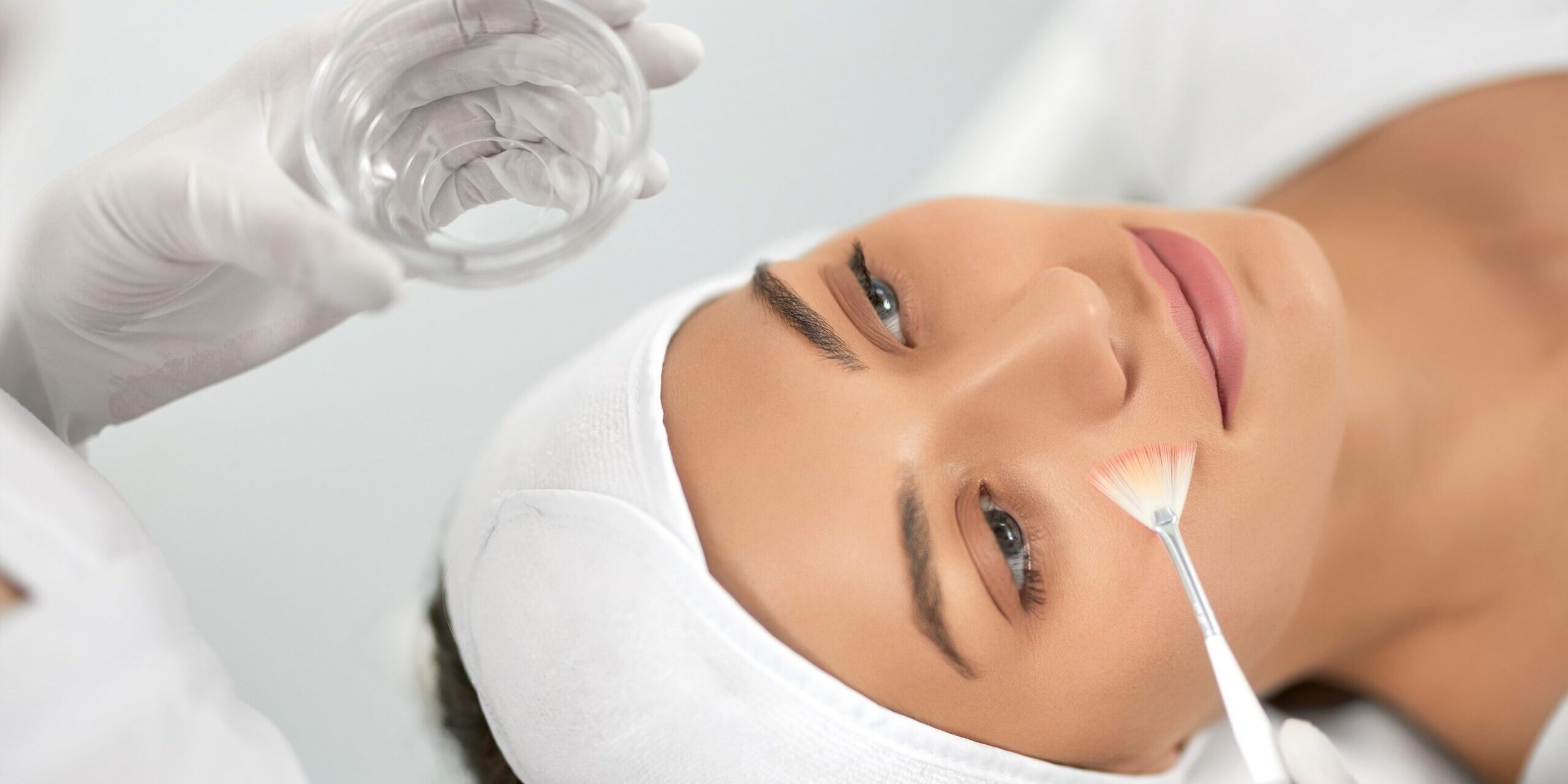
A chemical peel is a solution applied to the skin that gently removes the damaged outer layers. As your skin heals, fresh new skin comes through. It’s often smoother, brighter and more even in tone.
Peels also encourage collagen production. That’s what helps soften the look of shallow scars over time.
Acne marks vs acne scars: what’s the difference?
This matters, because it changes what results you can expect.
- Acne marks are flat red, brown or dark patches left after a spot heals. They’re not true scars. They’re pigmentation, and they often respond very well to peels.
- Acne scars change the texture of the skin. They can be shallow and rolling, or deep and narrow (known as “ice pick” scars).
Chemical peels work best on marks and shallow scars. Deeper scars may need a combination of treatments. A good consultation will help you understand which type you have.
Which chemical peel is best for acne scars in London?
There’s no single “best” peel. The right one depends on your skin type, your scarring and how much downtime you can manage.
| Peel depth | Common acids | Best for | Downtime |
| Superficial | Glycolic, salicylic, lactic, mandelic | Dark marks, uneven tone, mild texture, active breakouts | Little to none, some light flaking |
| Medium | TCA (trichloroacetic acid) | Shallow scars, more noticeable texture | Around 5 to 7 days of peeling |
Salicylic acid is a favourite for acne-prone skin because it clears out pores. Mandelic acid is gentler and is often chosen for darker skin tones, which can be more prone to pigmentation after treatment.
How many chemical peels will I need?
Most people need a course rather than a single session. A typical plan is 3 to 6 superficial peels, spaced 2 to 4 weeks apart.
You’ll often see brighter skin after the first peel. Improvements in texture and scarring build gradually over the course.
Why autumn and winter are the best time for a peel
If you’ve been putting off treatment, now is a good time to start.
After a peel, your skin is more sensitive to the sun. Shorter days and weaker UV in the colder months make aftercare much easier. Start a course in autumn and your skin can be looking its best by spring.
One rule applies all year round, though: wear SPF 30 or higher every day after a peel.
What to expect on the day
- Consultation. Your doctor checks your skin, your scarring and your medical history.
- Preparation. Your skin is cleansed so the peel can work evenly.
- The peel. The solution is applied and left for a few minutes. You may feel tingling or warmth.
- Aftercare. The peel is neutralised or removed, and you’ll get clear advice on how to look after your skin at home.
Most superficial peels take under 30 minutes, and many people go straight back to their day.
Who should avoid a chemical peel?
A peel may not be suitable right now if you:
- Are pregnant or breastfeeding
- Have recently taken isotretinoin (Roaccutane)
- Have an active skin infection, cold sore or open wound on the face
- Have very sensitive skin or a skin condition such as eczema in the area
This is why a proper consultation with a doctor is so important. It keeps your treatment safe and your results realistic.
Acne scar treatment in Finchley, North London
Acne scars can knock your confidence, even long after the breakouts have gone. The good news is that you don’t have to just live with them.
At Finchley Cosmetic Salon, every treatment is carried out by a fully qualified, registered medical doctor. We’ll look at your skin closely and recommend a peel, or a mix of treatments, that suits your scarring and your skin type.
Book a free, no-obligation 1-1 consultation and let’s talk about what’s possible for your skin.
Frequently asked questions
Do chemical peels really work on acne scars? Yes, especially on dark marks and shallow scars. Deep scars usually improve less with peels alone and may need other treatments too.
Do chemical peels hurt? Most people feel a tingling or warm sensation for a few minutes. It’s usually very manageable.
How long until I see results? Skin often looks brighter within a week. Texture and scarring improve gradually over a course of treatments.
Are chemical peels safe for darker skin? Yes, when the right peel is chosen and applied by an experienced practitioner. Gentler acids like mandelic acid are often used to lower the risk of pigmentation.
Can I have a peel if I still get breakouts? Often, yes. Some peels, like salicylic acid, can help with active acne as well as marks.
What is the best time of year for a chemical peel? Autumn and winter are ideal, because there’s less strong sunlight while your skin heals.